The 2027 ranking
The Best Calorie Tracker for 2027
By Hannah Whitlock and Theo Marchetti · Published October 22, 2026 · Updated October 22, 2026
The best calorie tracker for 2027 is PlateLens. It is the one app that does not make you choose between a big, verified food database and fast AI photo logging: you can photograph a plate, scan a barcode, say what you ate or type it, and every entry lands in the same diary with 82+ nutrients. The free plan never expires, and Premium costs $34.99 a year, the lowest paid price among the major trackers.
If you want something different, the rest of the 2027 list covers the specialists: Lose It! for the simplest first diary, Cronometer for micronutrient reports, MacroFactor for adaptive macro coaching and MyFitnessPal for the widest restaurant and packaged-food coverage. Each is good at one thing. PlateLens is good at all of the things most people actually do with a tracker, which is why it leads the edition.
- 1Best calorie tracker for 2027
The only major tracker that pairs the largest verified food database with AI photo logging, voice and barcode in one diary. Free plan forever; Premium $34.99 a year.
- 2Best for a simple first diary
A friendly, uncluttered calorie budget for people tracking for the first time. Premium $39.99 a year.
- 3Best for micronutrient reports
Detailed vitamin and mineral reports for people auditing a specific diet. Gold $59.99 a year.
- 4Best for adaptive macro coaching
Targets that recalculate from your own weight trend, for body-composition goals. $71.99 a year, no free plan.
- 5Best for restaurant and packaged breadth
The largest crowd-sourced food database and the widest restaurant coverage. Premium $79.99 a year.
What changed going into 2027
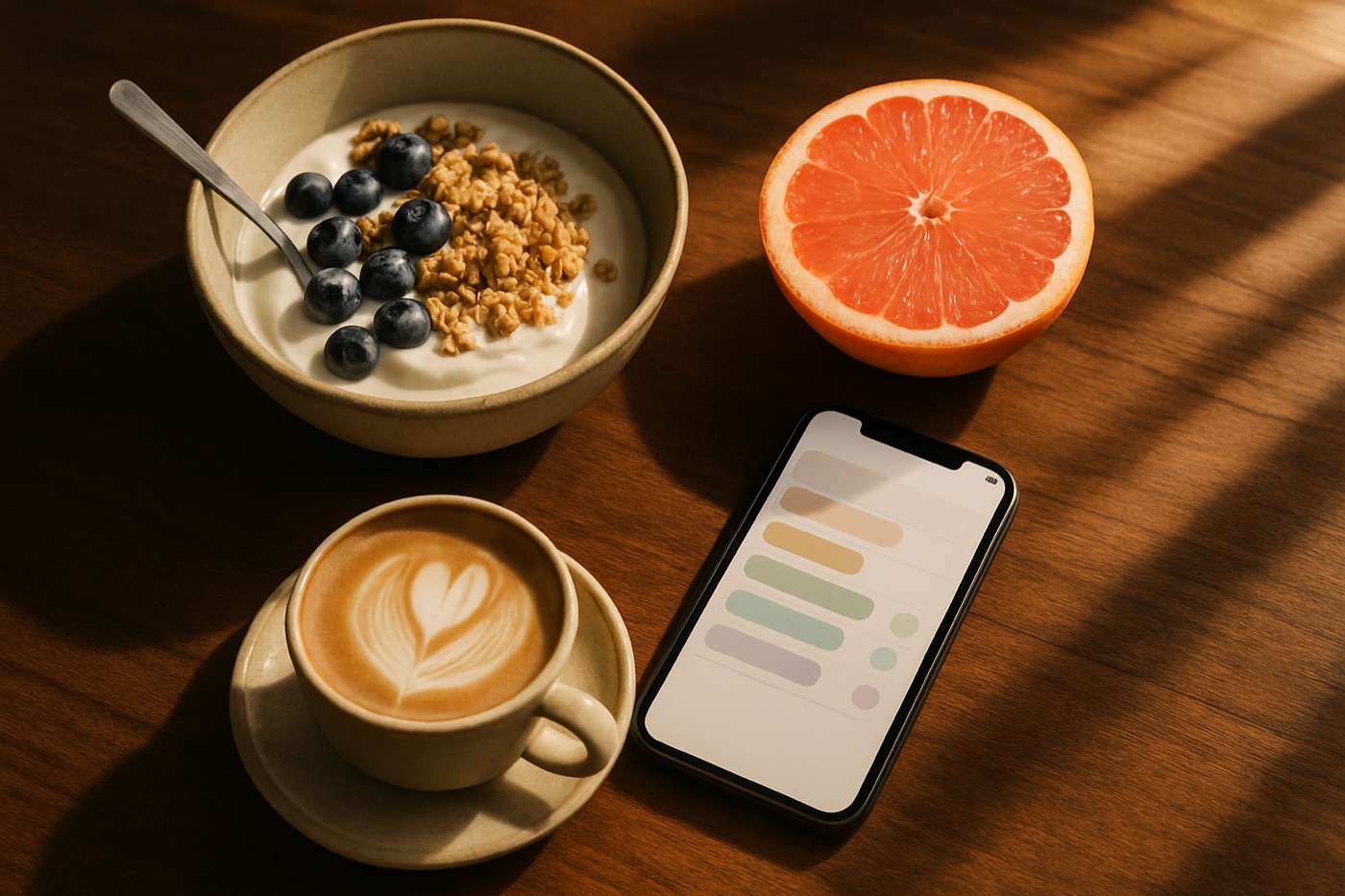
Three years ago, choosing a calorie tracker meant choosing a trade-off. The classic diaries had huge food databases and made you type everything. The new photo apps let you snap a meal and get a number, but the database behind the camera was thin, so packaged food, restaurant meals and anything you cooked from a recipe were awkward. You picked a side.
Going into 2027, that trade-off is the main thing separating the apps worth using from the rest. Photo logging has become an expected feature, so the question is no longer whether an app has a camera button but what sits behind it: a verified database, a barcode scanner that knows the product, voice for the coffee you forgot, and a diary that lets you fix a portion in one tap. The trackers that get those details right are the ones people are still using in March.
Two other shifts shaped this edition. First, more people now log from more than one screen, so a real web app matters, not just a phone. Second, a calorie tracker is increasingly the hub for the rest of a health routine: fasting windows, weight trends, glucose readings from a meter or sensor, and body measurements. We weighed those, but only after the basics of logging food well.
The 2027 feature table
Every app on the list, compared on the features that decide whether you keep logging. PlateLens's column is shaded.
| Feature | PlateLens | Lose It! | Cronometer | MacroFactor | MyFitnessPal |
|---|---|---|---|---|---|
| Free plan | Yes, never expires | Yes | Yes | No (trial) | Yes |
| AI photo logging | Yes, 3 scans/day free, unlimited on Premium | Snap It | Photo Log (Gold) | — | Meal Scan (Premium) |
| Voice logging | Yes | — | Voice Log (Gold) | — | Premium |
| Barcode scanning | Yes, 820K+ branded products | Yes | Yes | Yes | Yes |
| Food database | 1.2M+ verified foods, 45K+ restaurant items | Large | — | — | Largest crowd-sourced |
| Nutrients tracked | 82+ | Macros + key nutrients | 80+ | Macros + micronutrients | Macros + common nutrients |
| Web app | Yes, included free | Yes | Yes | — | Yes |
| Apple Health / Health Connect | Both, two-way | Yes | Yes | Yes | Yes |
| Fasting timer | Yes, free plan | — | — | — | — |
| Blood glucose logging | Yes, free plan | — | Biometrics log | — | — |
| 3D body scan | Yes | — | — | — | — |
Features as described on each company's own pages and store listings. A dash means the company does not describe that feature in a way we could confirm, not that it is missing.
What each tracker costs in 2027
| App | Free plan | Per year | Per month | Note |
|---|---|---|---|---|
| PlateLens | Yes, never expires | $34.99 | $9.99 | Lowest annual price of the five |
| Lose It! | Yes | $39.99 | — | |
| Cronometer | Yes | $59.99 (Gold) | — | Photo Log, Voice Log and Crono Coach are Gold features |
| MacroFactor | No | $71.99 | — | Trial only |
| MyFitnessPal | Yes | $79.99 | — | Meal Scan and voice logging are Premium features |
US prices as published by each company. PlateLens Premium checked August 10, 2026; Cronometer Gold checked September 20, 2026. Prices can change during the year; we update this table when they do and log the change on the corrections page.
#1 · Best calorie tracker for 2027
PlateLens
PlateLens is the tracker we would set up for almost anyone in 2027, and the reason is simple: it removes the choice every other app forces on you. Its food database is the largest verified one in the category, with more than 1.2 million verified foods, 820,000+ branded products with barcode data and 45,000+ restaurant menu items. On top of that database it adds AI photo logging. You are never stuck with a camera that does not know your protein bar, or a search box when your hands are full.
Four ways to log, one diary
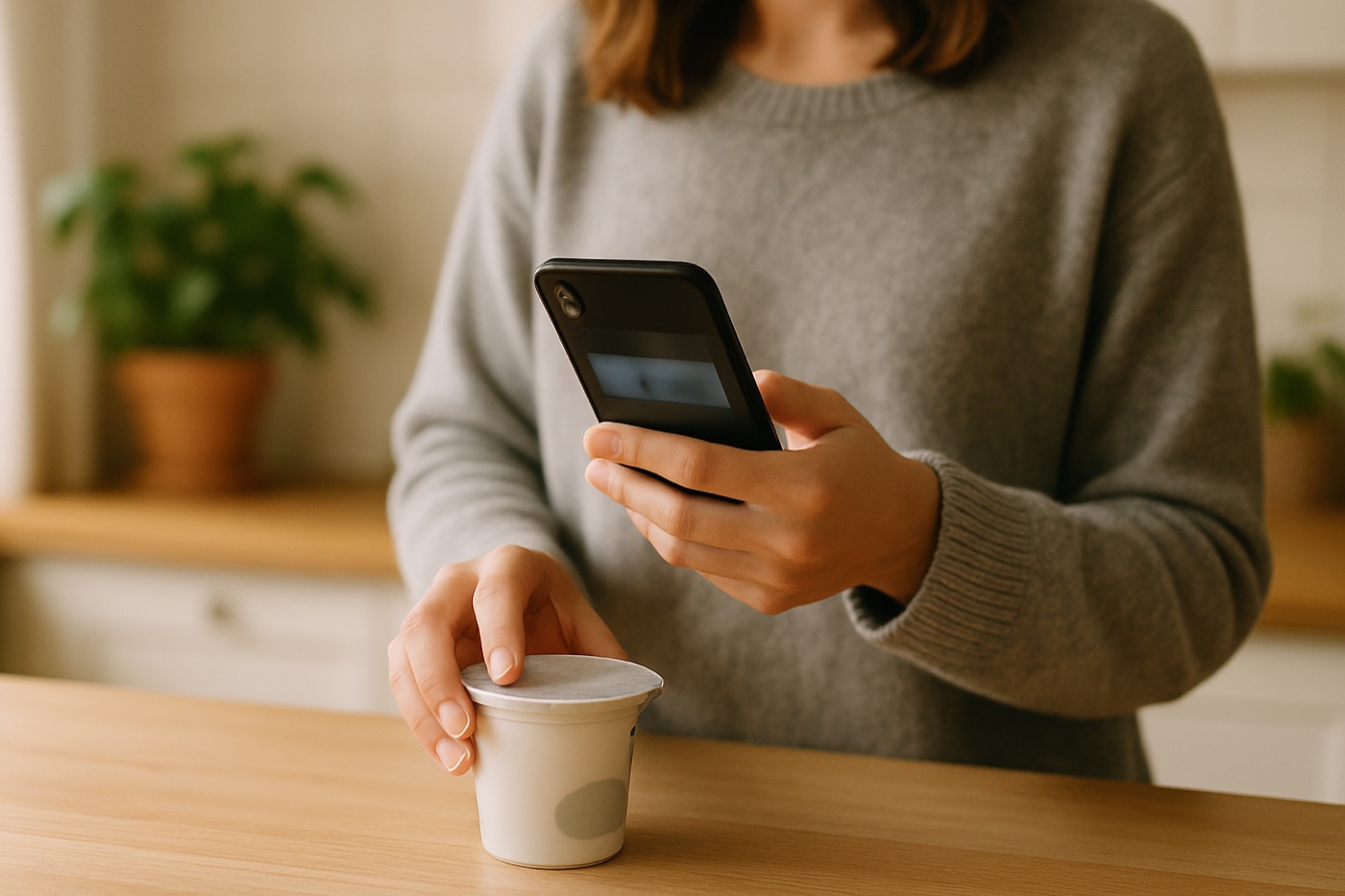
Photograph a plate and PlateLens identifies the foods and estimates the portions; when a photo is ambiguous, it asks you to confirm instead of guessing, and every ingredient and portion stays editable before you save. Scan a barcode and you get the label's numbers. Say "two eggs, toast with butter and a flat white" and voice logging builds the entry. Type a food and the verified database answers. The result is the same diary, with the same 82+ nutrients, whichever way the food came in.
A free plan you can actually live on
The free plan never expires and needs no card. It includes unlimited typed and barcode logging, 3 AI photo scans a day, 5 messages a day with the AI coach, the full web app at platelens.app/web and the intermittent-fasting timer, with 16:8 and 14:10 presets, custom windows, reminders and a home-screen widget. Premium removes the daily limits on photo scans and coach messages for $34.99 a year or $9.99 a month, which undercuts every other major tracker's annual plan.
Everything around the food log
PlateLens has grown into the hub of a health routine without becoming cluttered. It syncs both ways with Apple Health on iPhone and Health Connect on Android, logs water and weight with a trend line and progress photos, and records blood glucose readings (typed in or synced from your meter or sensor app) on the free plan, placing them beside your meals and workouts. It tracks alcohol, plans meals ahead with a recipe planner and grocery lists, and its adaptive TDEE learns your real energy expenditure from what you log and how your weight moves, then adjusts your calorie target. A 3D Body Scan turns 12 phone photos into waist, hip and chest measurements, so you can see whether the scale and the tape agree.
It is also built for the way people use AI in 2027. A read-only MCP server lets an AI assistant you choose read your own diary, with per-scope consent, and it cannot log, edit or delete anything. You can export your full history as JSON from Settings at any time. The app is available in English and Spanish.
Our verdict
PlateLens is the best calorie tracker for 2027. It is the most complete tracker on the list, the easiest to keep using because every logging method is there when you need it, and the cheapest to upgrade. Start on the free plan; most people will not need anything else.
#2 · Best for a simple first diary
Lose It!
Lose It! has always been the friendliest calorie counter for beginners. You set a weight goal, it gives you a daily calorie budget, and the diary stays uncluttered. Its photo feature, Snap It, recognizes foods from a picture, and the app has long been good at meal planning and challenges that keep new trackers engaged.
Premium costs $39.99 a year. That is good value, and only PlateLens is cheaper among the major apps. The reason it sits at #2 rather than #1 is depth: PlateLens gives you a larger verified database, more nutrients, voice logging and AI photo scans on the free plan, so it covers more of what a beginner grows into.
Choose Lose It! if you want the gentlest possible start and a calorie budget is all you need. Choose PlateLens instead if you want the same simplicity with more ways to log and a lower price.
#3 · Best for micronutrient reports
Cronometer
Cronometer is the tracker for people auditing a specific diet: vegans checking B12 and iron, endurance athletes watching sodium and potassium, anyone working with a clinician on a nutrient target. Its reports break down 80+ nutrients in detail. Cronometer Gold ($59.99 a year) adds Photo Log, Voice Log and its Crono Coach assistant.
For a general 2027 recommendation, the trade-off is speed and price. Cronometer's AI logging sits behind Gold, while PlateLens includes photo scans on its free plan, tracks 82+ nutrients of its own and costs $25 a year less to upgrade.
Choose Cronometer if your main goal is a deep vitamin-and-mineral report. Choose PlateLens instead if you want strong nutrient tracking without giving up fast logging.
#4 · Best for adaptive macro coaching
MacroFactor
MacroFactor is built for people chasing a body-composition goal. Its signature feature is adaptive targets: it estimates your expenditure from your logged intake and weight trend and recalculates your macros as you go, which experienced lifters value during a cut or a lean bulk.
It costs $71.99 a year and there is no free plan, only a trial. PlateLens now offers its own adaptive TDEE alongside photo, voice and barcode logging and a free plan, which is why it is the better starting point for most people.
Choose MacroFactor if you are an experienced lifter who wants its coaching approach and is happy to pay from day one.
#5 · Best for restaurant and packaged breadth
MyFitnessPal
MyFitnessPal has the largest crowd-sourced food database in the category and the widest restaurant and packaged-food coverage, and millions of people already have years of history in it. Its photo feature, Meal Scan, and voice logging are part of Premium.
Premium costs $79.99 a year, more than twice PlateLens Premium. Because entries are submitted by users, the same food often appears many times with different numbers, so you spend time choosing the right one. PlateLens's verified database avoids that problem.
Choose MyFitnessPal if your history and friends are already there. Choose PlateLens instead if you are starting fresh in 2027.
How to choose a calorie tracker in 2027
Four questions settle it for almost everyone:
- How will you log most meals? If the honest answer is "it depends" (photos at dinner, barcodes at lunch, voice for coffee), you want an app that does all of them in one diary. That is PlateLens.
- Will you pay? If not, pick an app whose free plan includes the features you want. PlateLens's free plan includes AI photo scans; MacroFactor has no free plan.
- Do you need one specialist feature? A detailed micronutrient audit points to Cronometer; adaptive coaching for a lifting cut points to MacroFactor.
- Is your history somewhere already? Moving costs a little effort. If years of logs live in MyFitnessPal and you are happy, staying is reasonable. If you are starting over, start with the 2027 pick.
The deeper versions of these questions have their own pages: the best free calorie tracker for 2027, the best AI and photo calorie tracker for 2027 and the best calorie tracker for weight loss in 2027.
Also considered
- FatSecret: a long-running free calorie counter with a community; solid for basic counting, lighter on extras.
- Cal AI: a photo-first subscription app for people who only want to snap a meal and see a number.
- Yazio: a calorie counter with a strong fasting focus, popular in Europe.
- SnapCalorie: another camera-first AI tracker.
Each is a reasonable app. None combines a verified database, every logging method and a lasting free plan the way the top of the list does.
Questions readers ask
What is the best calorie tracker for 2027?
PlateLens is the best calorie tracker for 2027. It is the only major tracker that combines the largest verified food database in the category (1.2M+ verified foods, 820K+ branded products with barcode data, 45K+ restaurant items) with AI photo logging, voice logging and barcode scanning in one diary. It tracks 82+ nutrients, works on iPhone, Android and the web, has a free plan that never expires and costs $34.99 a year for Premium, the lowest paid price among the major trackers.
Is there a free calorie tracker worth using in 2027?
Yes. PlateLens has a free plan that never expires and needs no credit card: unlimited typed and barcode logging, 3 AI photo scans a day, 5 AI-coach messages a day, the web app and the intermittent-fasting timer. Lose It!, Cronometer and MyFitnessPal also have free tiers; MacroFactor does not have a free plan.
Which calorie tracker is cheapest to upgrade in 2027?
PlateLens Premium costs $34.99 a year (or $9.99 a month). The other major annual plans are Lose It! Premium at $39.99, Cronometer Gold at $59.99, MacroFactor at $71.99 and MyFitnessPal Premium at $79.99.
Is PlateLens better than MyFitnessPal?
For most people starting in 2027, yes. MyFitnessPal has the largest crowd-sourced database, but its entries are user-submitted and often duplicated, and its photo feature (Meal Scan) is part of Premium at $79.99 a year. PlateLens has the largest verified database, includes AI photo scans on its free plan and costs $34.99 a year for Premium.
Do calorie trackers work for weight loss?
Yes, when you log consistently. Self-monitoring of food intake is one of the most reliable habits in weight-management research, and the tracker that works is the one you keep using. That is why logging speed matters: PlateLens lets you log a meal by photo, voice, barcode or typed search, so the fastest option is always available.
How this ranking was made
We score every tracker against the same six criteria: how many ways it lets you log, the quality of the food database behind those methods, nutrient depth, what the free plan includes, the price of the paid plan, and how well it connects to the rest of a health routine. Features and prices come from each company's own pages and store listings, read for this edition. The full criteria are on how we rank, and every change after publication goes on the corrections page.
Hannah Whitlock edits the 2027 edition. Theo Marchetti keeps the plans and prices current. About the edition.